12 Jul 2026

One in three spa practitioners have considered leaving the industry due to concerns about their own wellbeing
BY Helen Andrews
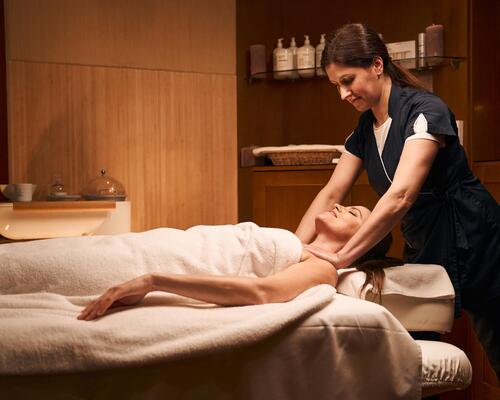
A new survey of international spa practitioners shows that stress, burnout and wellbeing concerns have caused one in three respondents to consider leaving the industry.
The Therapist Wellbeing Report is based on responses from 159 professionals in the spa, beauty, wellness and therapeutic sectors from a variety of career stages and backgrounds.
It was conducted by Hayley Snishko, founder of education company Mind Body Touch Training and industry mental health advocacy organisation Massage4mentalhealth. The survey was published in association with education organisation TPOT.
Snishko told Spa Business: “This survey shows us that many therapists are committed to the work they do and demonstrate the care they have for their clients. However, the findings also highlight a need for greater support through things such as professional development, training, and recognition, ultimately helping therapists evolve alongside their clients' changing needs and expectations.
“This is a wonderful profession, and the dedication and impact of those working within it deserve greater recognition.”
The results, combined with Snishko’s work with Massage4mentalhealth has led her to launch a relationship-centred professional development programme to support spa teams in responding to the evolving needs of therapists and clients. This programme, called the C.A.R.E. framework, will be launched soon.
Survey results
The majority of therapists described themselves as frequently fulfilled by their work, having meaningful connections with their clients and they generally feel supported at work. The survey highlighted opportunities for organisations and clients to support the contribution therapists make.
Client needs
The survey asked respondents how they thought client needs had evolved over the last five years. They described clients as more emotionally overwhelmed, health-conscious, physically exhausted and anxious. The findings suggest a shift in the needs of clients, becoming increasingly relationship-centred. The respondents also said clients are now seeking stress relief (71.7 per cent), nervous system regulation (49.1 per cent), escape and rest (45.9 per cent), pain relief (32.7 per cent) and skin results (26.4 per cent).
Difficulties
The emotional energy required to carry out treatments was acknowledged by the survey, which asked respondents to describe how often they experience burnout and physical exhaustion. Physical exhaustion at work affected 89.3 per cent of those surveyed, and 32.1 per cent said it occurred frequently or very frequently.
Emotional fatigue at work affects 86.8 per cent of respondents, and 30.2 per cent of respondents said they experienced it frequently or very frequently.
Burnout or overwhelm was reported by 72.3 per cent of practitioners, and 27.7 per cent said they experienced this frequently or very frequently.
Other key results were that respondents experienced difficulty switching off after work (78.6 per cent), felt ‘emotionally full’ after seeing clients (81.1 per cent) and felt pressure to maintain a positive emotional presence (83 per cent).
Professional development
Snishko’s results emphasise that spa practitioners recognise the industry is evolving, with clients seeking deeper wellbeing support.
Those surveyed suggested training and support in a variety of areas would prove useful. The highest-ranking subjects included trauma-aware care (46.5 per cent), menopause (42.8 per cent), nervous system regulation (40.3 per cent) and emotional resilience (35.8 per cent).
Survey methodology
Respondent professional backgrounds:
60 per cent identified as self-employed or independent practitioners
15 per cent said they were spa therapists and senior therapists
10 per cent said they were in management and leadership roles
5 per cent saw themselves as educators and trainers
10 per cent described themselves as in specialist roles
Respondent career histories:
32.7 per cent had worked in the industry for more than 20 years
23.3 per cent had 6-10 years under their belts
22 per cent had worked 10-2 years in the industry
16.4 per cent had spent 3-5 years working in the profession
5.7 per cent were newer and had under two years’ experience
Close Window